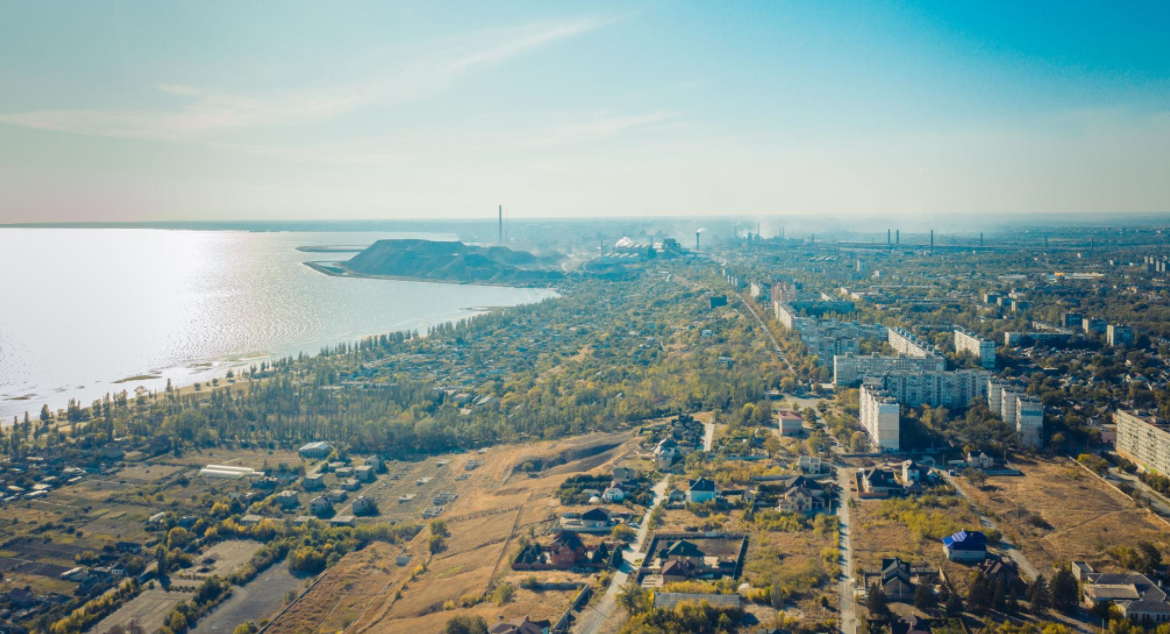
Part 1-Romans Soviet childhood on the Sea of Azov
Roman was born in the mid-1970s in Mariupol, then part of the Soviet Union. He would live in the city continuously until May 2022.
“I grew up in the Soviet Union,” he says. “It was a good childhood.”
Mariupol in the late 1970s and 1980s was an industrial port on the Sea of Azov — a city defined by steel plants, shipyards and working families. Roman’s father spent his life at a ship-repair plant servicing sea vessels. His mother worked in a secondary school as a laboratory assistant. The family reflected a typical mix of skilled industrial labour and education.
“It was a normal family,” he says. “Work, school, home.”
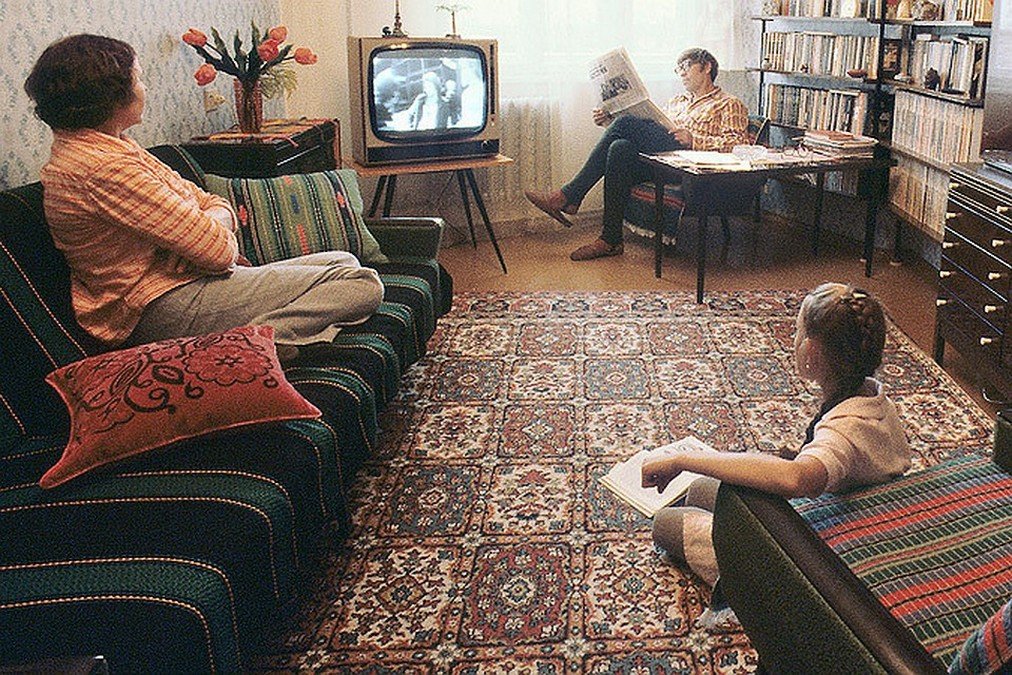
Families relaxing at home 1970’s
He attended a standard secondary school. Outside the classroom, sport played a central role.
He boxed — not casually, but in a structured and competitive environment where discipline and physical endurance were expected.
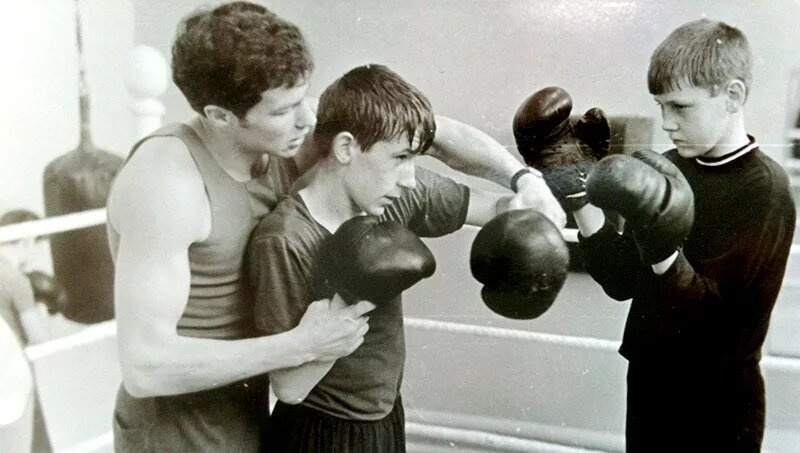
Boxing was one on the sports in the Soviet Union
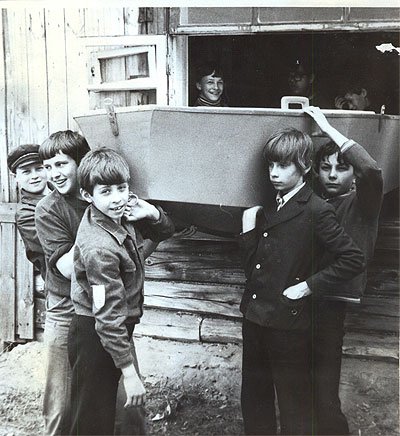
He also took part in DOSAAF, the Soviet voluntary organisation that provided pre-military and technical training for young people. In Mariupol, this included maritime preparation — boats, navigation and discipline connected to naval culture.
“There was the sea,” he says. “Boats. Training. It was organised.”
The Sea of Azov was part of everyday life. Many boys in Mariupol grew up around docks, repair yards and maritime schools. His father’s work made that world visible and tangible.
“At home, expectations were clear: education, discipline, work.”
Sailing was one of the other main sports on the Sea of AZOV
Roman has a younger brother. They grew up in the same city, within the same system. As adults, his brother moved first to Donetsk and later to Kyiv for work — a common path during the post-Soviet years.
The last time Roman saw him in person was in 2014, at their father’s funeral.
After the political upheaval that year, travel across Ukraine did not stop — but it changed. Roman describes the widespread introduction of checkpoints around major cities.
“There were checks before big cities,” he says. “If you were a man, especially.”
According to him, the key difference was not prohibition, but scrutiny. Vehicles were stopped. Documents checked. Men were subject to closer inspection — sometimes removed from cars, questioned, or searched more thoroughly.
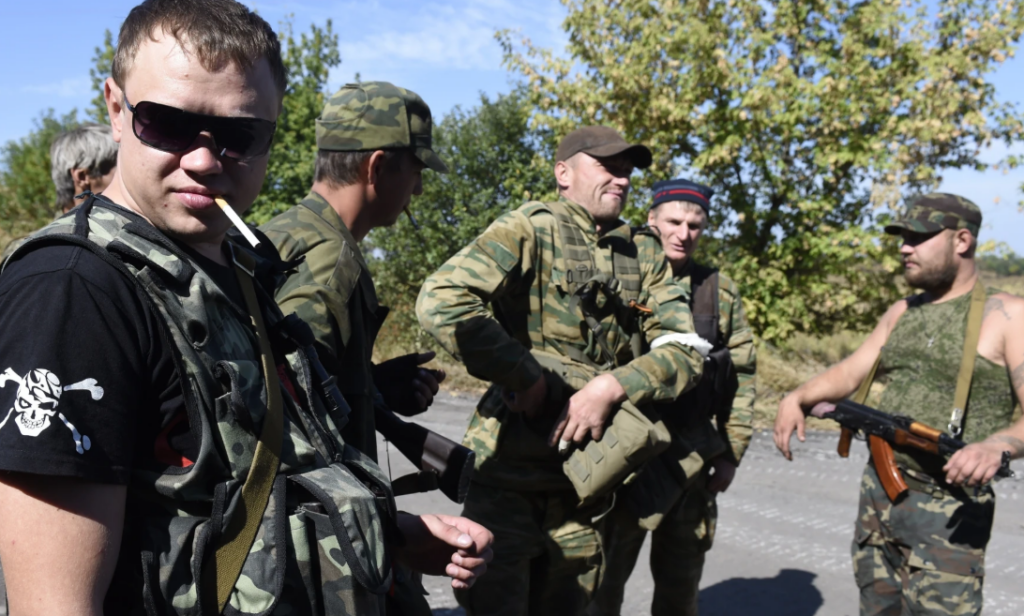
Armed men control access to any region
Women, he says, generally passed more easily.
“It was easier for women,” he says. “Men were checked more carefully.”
People continued to travel — including those crossing regions to collect pensions or visit relatives — but movement carried a new layer of attention.
Contact with his brother became less frequent. Not because of political disagreement, but because of risk.
Calling across regions, he explains, could attract the attention of security services. Conversations had to be limited. Sensitive topics — especially political ones — were avoided.
“You couldn’t speak openly,” he says.
He is clear on one point:
There was no political division between them.
“My brother and I are not divided politically,” he says. “He understands everything. He just cannot say it openly where he is.”
Living in Kyiv, his brother, he says, had to be cautious. Communication was reduced not by conflict between them, but by the environment around them.
For Roman, childhood had been structured and predictable: school, boxing, maritime training, a working father, a school-employed mother, one brother, the sea always nearby.
It was a stable upbringing.
But by 2014, standing at his father’s grave, he says something fundamental had changed.
Not in his family — but in the country around them.
The checkpoints were no longer distant.
They had become part of everyday life.
Coming Next in Part II:
As the Soviet Union collapses, Roman enters adulthood in a country where old structures are disappearing faster than new ones can replace them. In the chaos of the 1990s — amid organised crime, corruption and collapsing authority — he faces a choice that many young men of his generation were forced to make: join the bandits, or enter the system meant to fight them. Part II follows Roman’s path into military service, Ukrainian special forces and the Ministry of Internal Affairs, as Ukraine’s fragile post-Soviet order begins to fracture long before the war reaches Mariupol.