Part II — Collapse, Crime and the Choice Between Bandits or the Badge
By the time Roman reached adulthood, the Soviet Union had ceased to exist.
“The country disappeared,” he says.
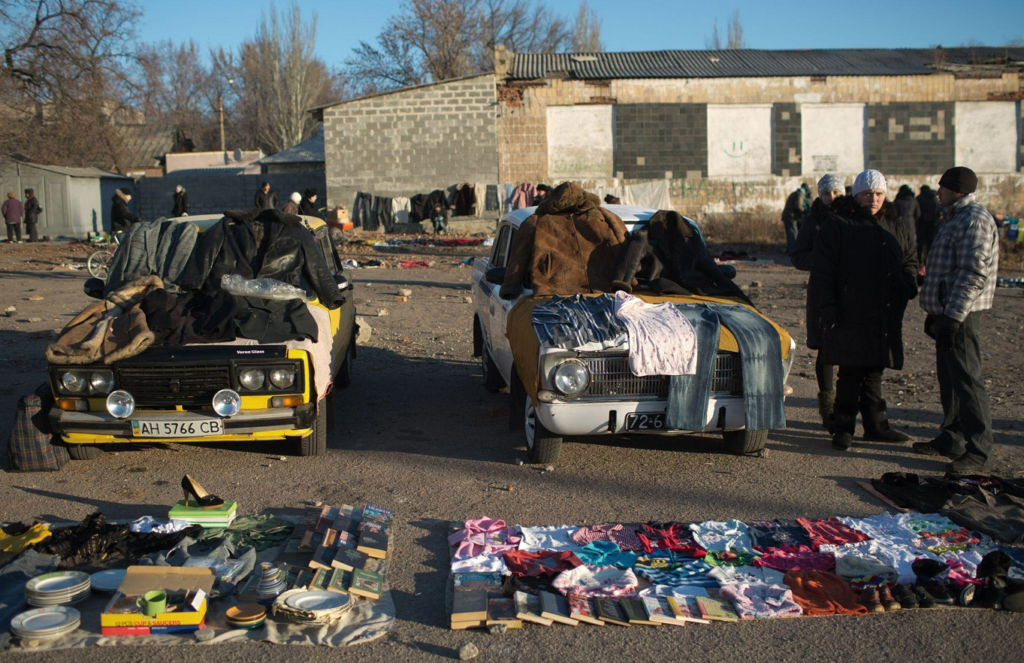
For those living through the early 1990s, the transition was immediate. State structures weakened. Salaries were delayed or unpaid. Factories slowed or stopped. The systems that had governed daily life no longer functioned as they had before.
At the same time, organised crime expanded rapidly.
In many regions, criminal groups moved into spaces once controlled by the state — offering protection, controlling trade and establishing parallel authority structures.
Ordinary people trying to survive
Roman describes the period in direct terms.
“In the 1990s,” he says, “there were two roads. Bandits — or the police.”
Before entering law enforcement, he had completed his military service and later joined Ukrainian special forces. The environment suited him — structured, disciplined, clearly defined.
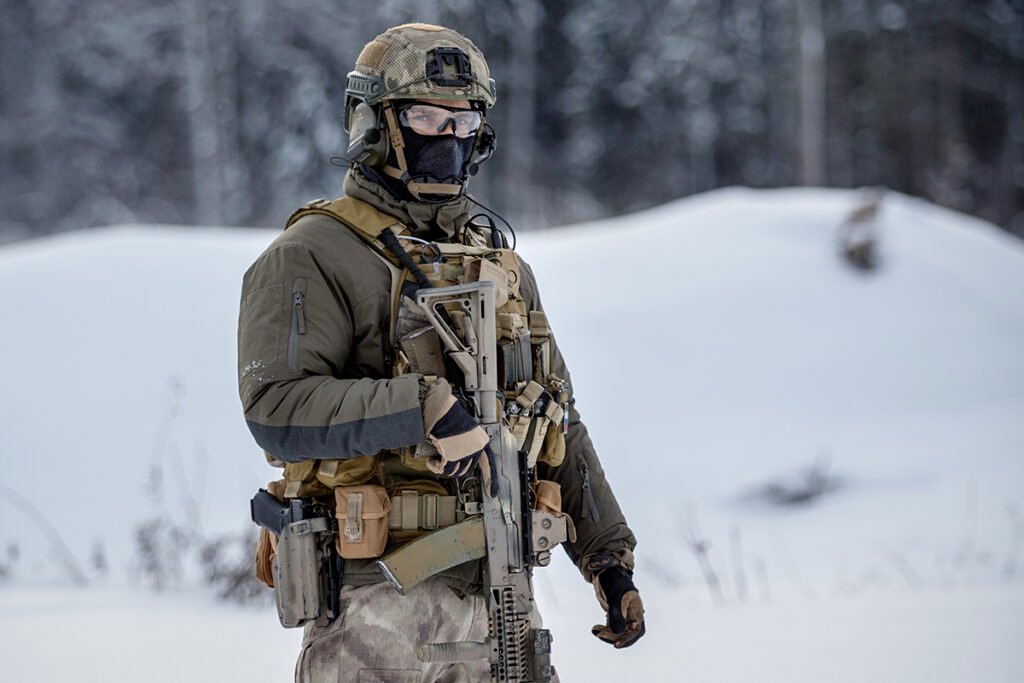
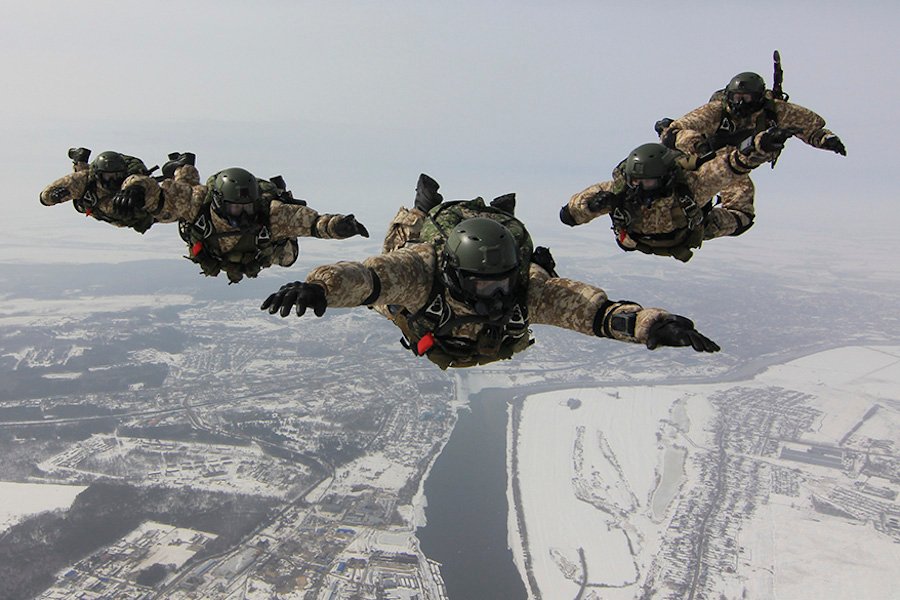
“The training was serious,” he says. “Discipline, physical preparation, weapons.”
Inside those structures, order still existed.
Outside them, the situation was less certain.
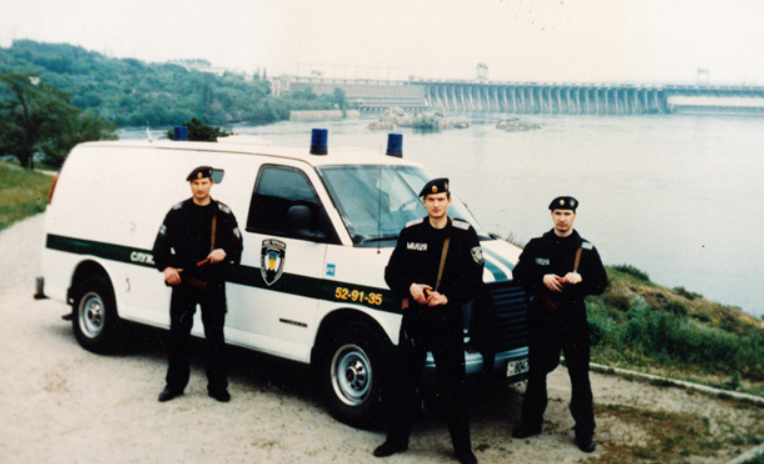
Roman chose to enter the Ukrainian Ministry of Internal Affairs. Over time, he worked in operational roles, including assignments connected to protection duties and high-risk environments.
He does not present the system as perfect.
“There were different people,” he says. “Some honest. Some not.”
Corruption existed, he acknowledges. Influence networks operated alongside official institutions.
Romans old squad
But for him, the distinction between state service and criminality remained clear.
“It was better to be inside the system,” he says. “At least there were rules.”
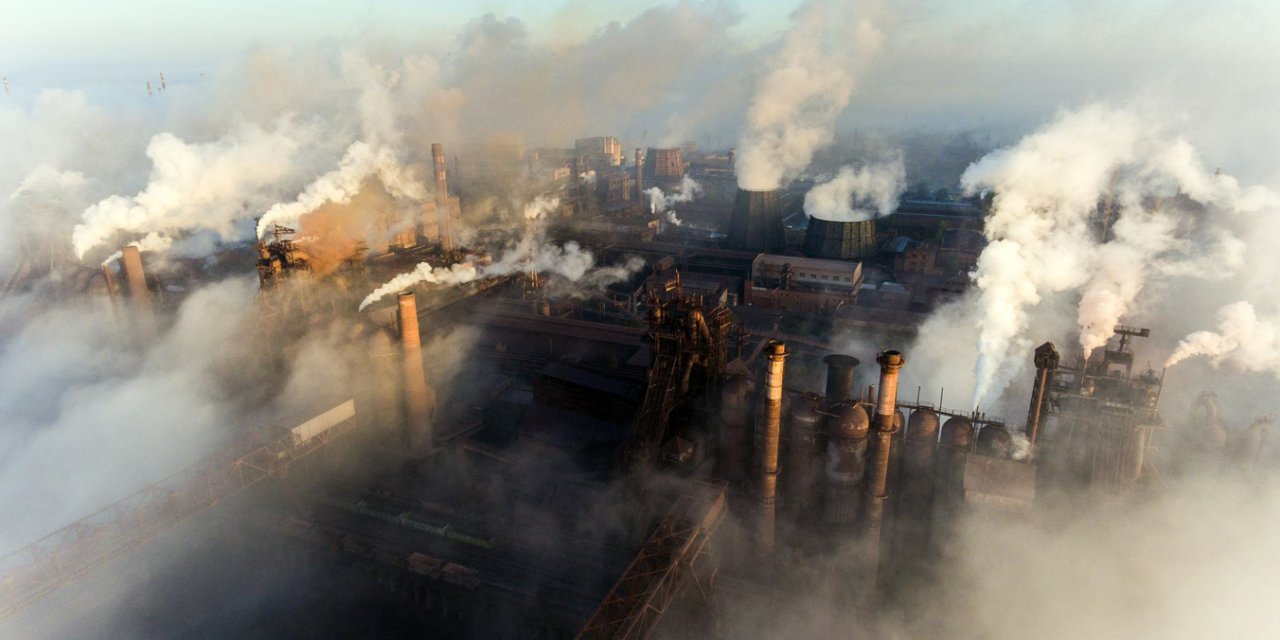
Through the late 1990s and 2000s, he continued working within law enforcement structures. His experience spanned cities including Mariupol, Donetsk and Kyiv.
Despite its problems, he says, the system still functioned. Authority was recognised. Orders were followed. The structure remained intact.
For Roman, it was a flawed system — but a functioning one.
That would change in 2014.
Coming Next in Part III:
As Ukraine descends into political upheaval in 2014, Roman witnesses the collapse of the system he once served. Police authority fragments, armed groups emerge, and Mariupol moves closer to the front line. For Roman, the crisis will force a life-changing decision — as the line between law, loyalty and survival begins to disappear.