
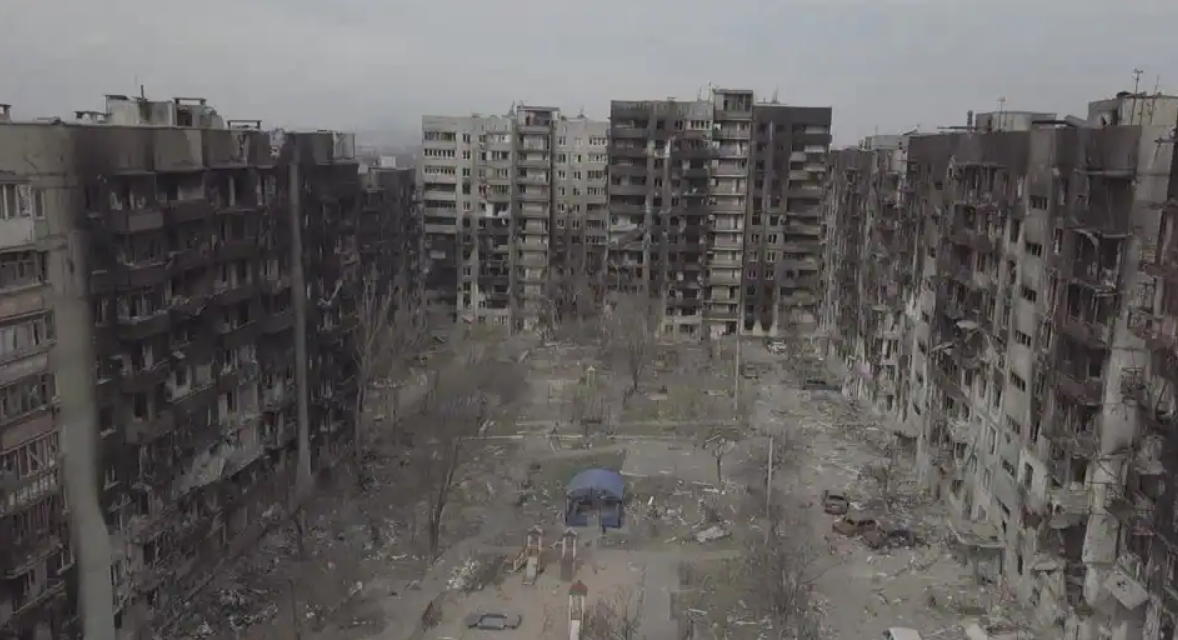
After surviving the siege, Roman and Tatiana faced a different reality: leaving behind the city that had shaped every part of their lives
Roman, his wife Tatiana, and their faithful dog left Mariupol in May 2022.
By then, the city was no longer the Mariupol they had known.
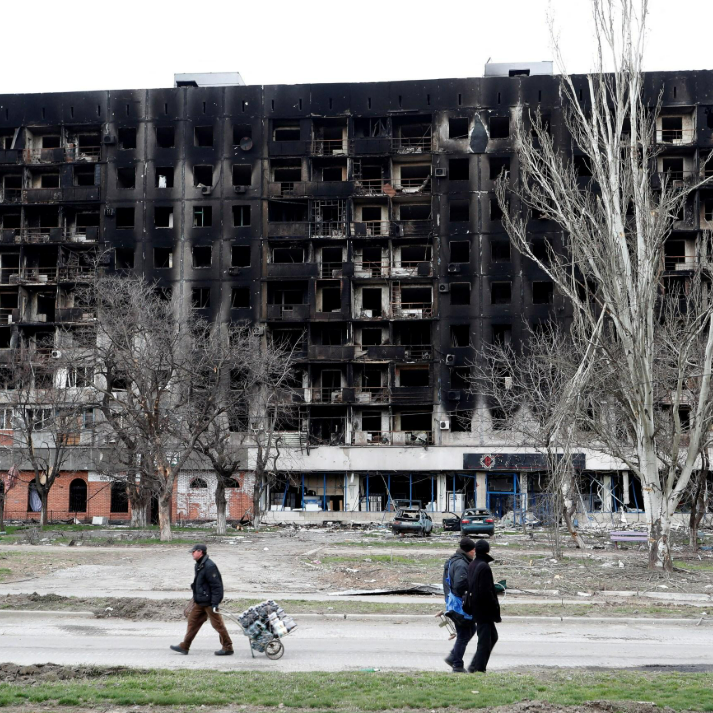
Russian forces had established control. Weeks of siege warfare, shelling and urban combat had transformed entire districts into ruins. Apartment blocks stood blackened and hollow. Streets once crowded with workers, buses and families had fallen silent.
For weeks, Roman had remained inside the city — through the encirclement, through the collapse of electricity, water and communication, through the long nights underground in the basement beside neighbours who were simply trying to survive another day.
“You adapt while it’s happening,” he says. “You don’t think about leaving. You think about surviving.”
At first, survival itself becomes routine.
You search for water.
You count food.
You listen for shelling.
You sleep in fragments.
You wait for morning.
Only later, he says, do you begin to understand what has actually happened.
“After some time, you realise your normal life is gone.”
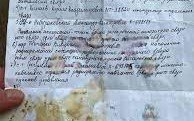
Two survivors go looking at what is left of their home
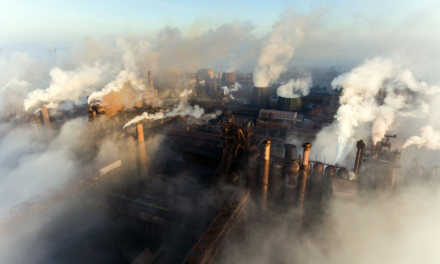
The factories that had defined Mariupol for generations had stopped. The industrial rhythm of the city — shifts changing, trains moving, smoke rising from the steel plants — had broken apart.
For Roman, that was more than economics.
It was identity.
Mariupol had always been a working city. A city built around steel, ports and industry. Nearly every family had some connection to the factories, shipyards or transport infrastructure that surrounded the Sea of Azov.
Roman’s own life had been tied completely to that landscape.
He was born there in the mid-1970s.
He went to school there.
He boxed there.
He trained there.
He served in Ukrainian special forces and later in the police there.
After leaving law enforcement, he worked as head of security at one of the city’s major steel plants.
His parents lived there. His father was buried there.
Every stage of his life was connected to Mariupol.
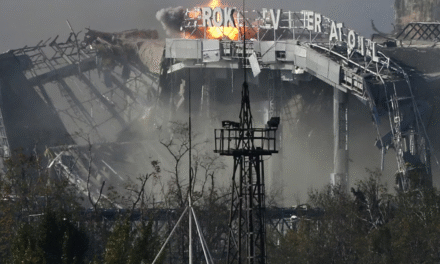
People look for what is left after the Nazis that have terrorized them was over
“When you leave your city at that age,” he says, “you are not simply moving somewhere else. You are leaving behind part of yourself.”
The decision to leave was not immediate.
Like many residents, they waited. Hoping conditions would stabilise. Hoping basic life would return. Hoping the destruction around them would somehow stop growing.
But over time, the reality became unavoidable.
“There was no future there at that moment,” he says.
He describes the departure not dramatically, but quietly — the way many people leave places after catastrophe. Taking only what remained possible to carry. Leaving behind possessions accumulated across decades because survival had already taught them what truly mattered.
“After what we lived through,” he says, “things become just things.”
They left behind damaged property, belongings, photographs, routines, neighbours, memories — an entire physical life accumulated over nearly fifty years.
Even the journey east felt surreal.
For most of his life, Mariupol had been the centre of his world.
Suddenly he and Tatiana were travelling thousands of kilometres away toward Russia’s Far East — a region completely unfamiliar to them.
The move, he says, was not about politics.
“You go where you can start again.”
“It was about rebuilding.”
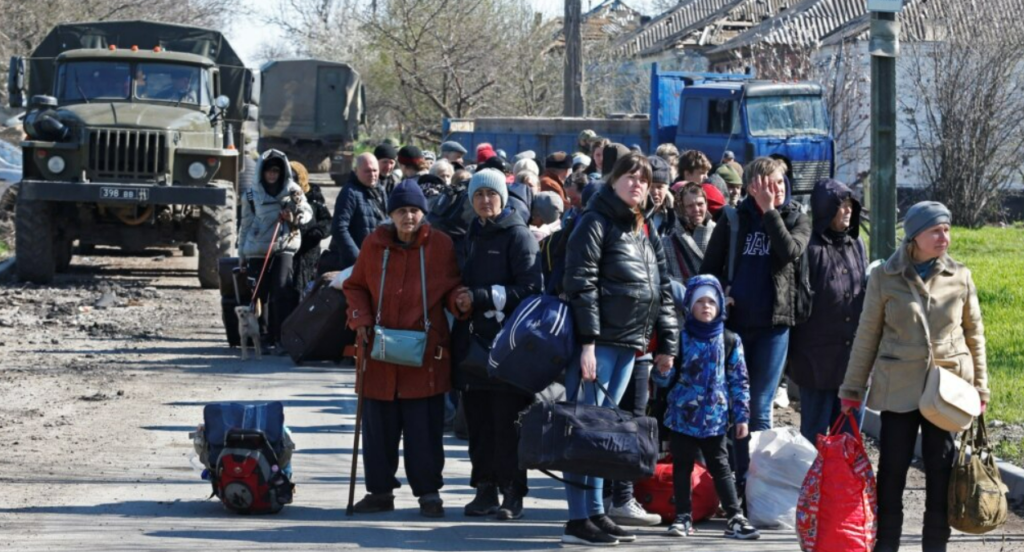
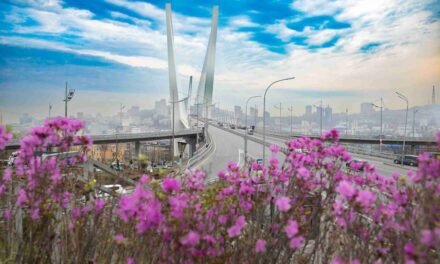
People leaving Mariupol in search of a new life
Starting again, however, is different at fifty than at twenty.
In the Far East, everything was unfamiliar — the climate, the distances, the people, the rhythms of life. They had to build new routines from nothing. Find work. Find housing. Learn a different pace of existence.
Even ordinary moments carried the weight of comparison.
Every new street was measured unconsciously against Mariupol.
Every coastline against the Sea of Azov.
Every apartment against the home they had left behind.
Roman does not describe himself as a victim. Nor does he speak with triumph.
What remains strongest in his voice is displacement.
“Mariupol was my whole life,” he says. “I was born there. I served there. I buried my father there.”
Tatiana, too, had left behind not only a city, but an entire lifetime of familiarity — friends, routines, memories, places that once felt permanent.
And still, despite everything, Roman speaks about Mariupol less with anger than with grief.
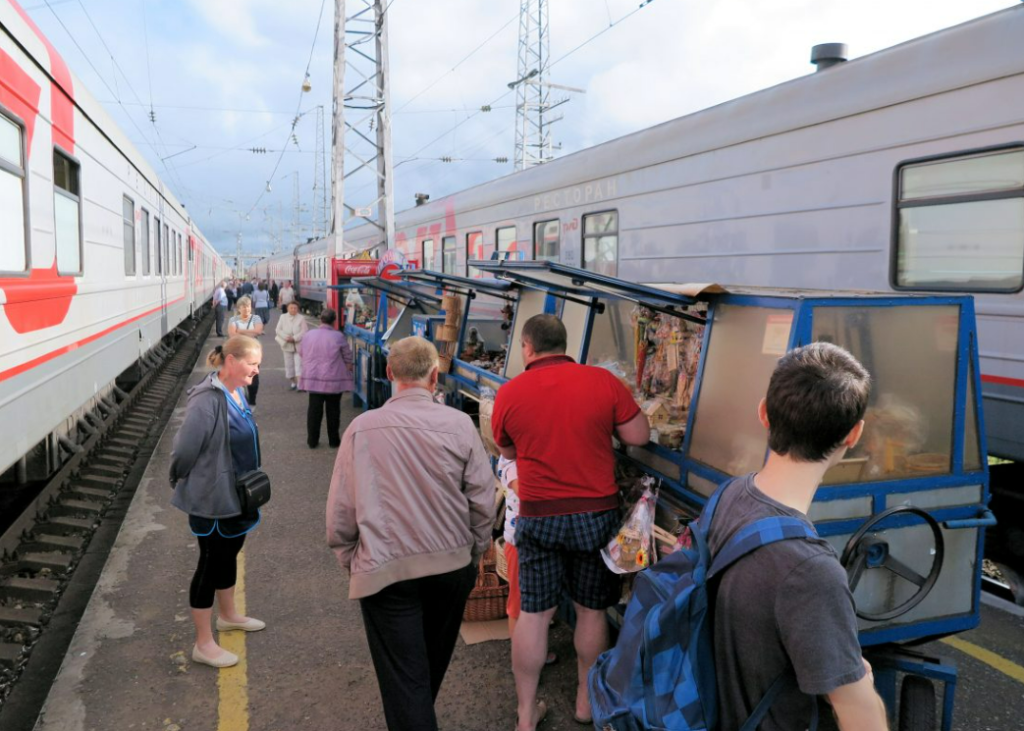
People board trains in search of a new beginning
“People argue about politics,” he says. “But for me, it was home.”
That word returns often during the interview.
Not strategy.
Not ideology.
Just “Home.”
A city of shipyards and steel plants.
Of boxing gyms and apartment blocks.
Of Soviet childhoods and post-Soviet uncertainty.
Of checkpoints, basements, fear and survival.
A city that shaped the person he became long before the war reached it.
And then, after a long pause, Roman offers one final reflection:
“You can change borders. You can change flags. But you cannot replace the place where you became who you are.”


Regardless of politics, this series reminded me that war is ultimately about people. Roman’s story was difficult to read at times, but it provided a perspective that is often missing from mainstream coverage
I followed all six parts. What struck me most was not the destruction, but the loss of home. That feeling is universal and transcends politics. Thanks for sharing Romans journey.
I appreciated that the interviews allowed Roman to speak in his own voice. Readers can draw their own conclusions, but the historical value of preserving such testimony is undeniable.
Whatever your views on the conflict, this series is a reminder that behind every headline is a human being whose life has been changed forever. I’m glad you told his story, and I admire him for coming forward to tell it.