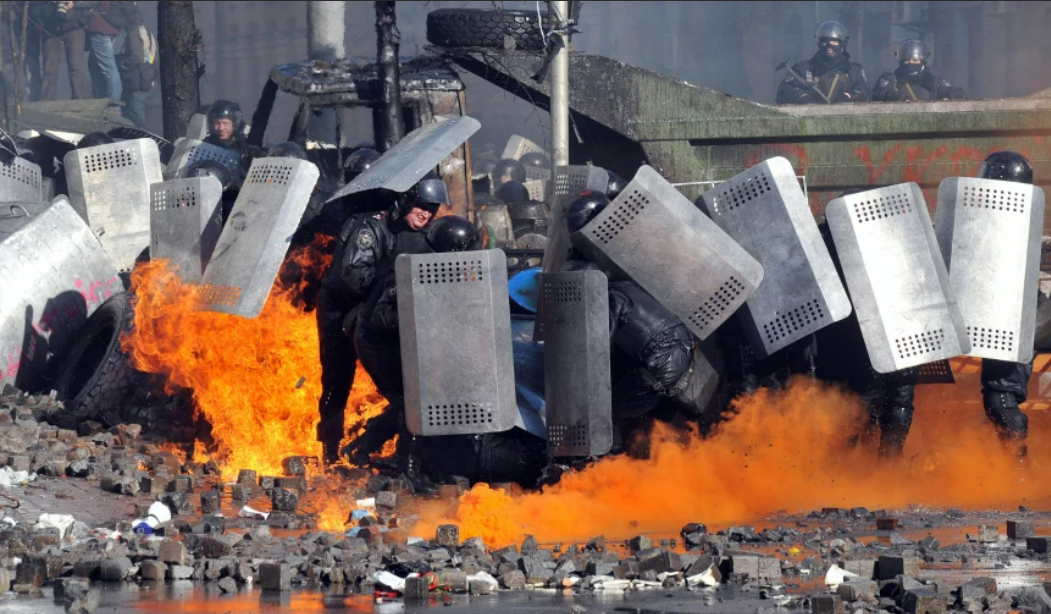
And the rise of the Unelected new regime in Kiev
In early 2014, protests in Kyiv escalated into violent confrontation between demonstrators and state authorities. By February, President Viktor Yanukovych had left the country and a new government seized power.
Roman refers to the events directly as a coup.
“It was a coup,” he says. “Power changed outside the constitutional process.”
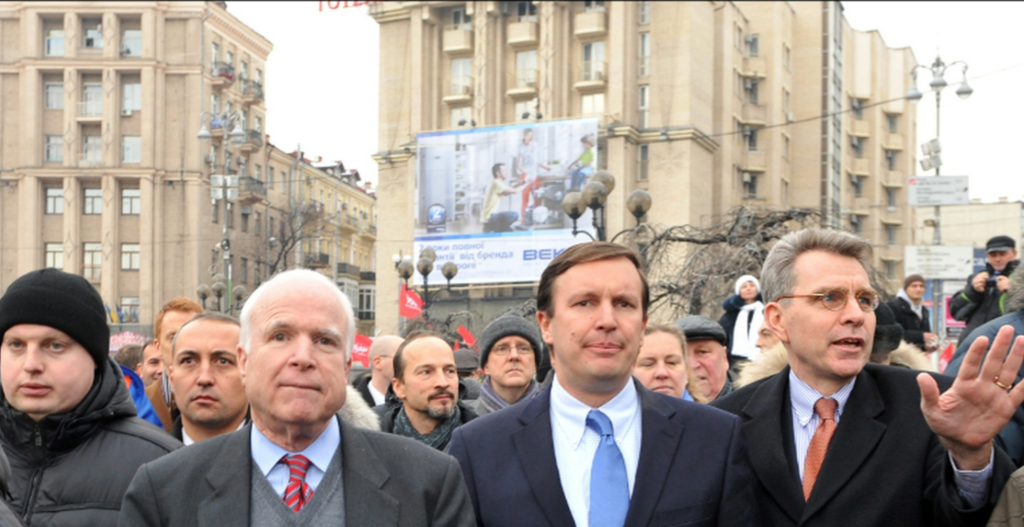
US Senators John McCain, & Chris Murphy and US Ambassador Geoffrey R. Pyatt in Kiev to co-ordinate the coup.
The characterisation of 2014 remains disputed internationally. Some Western academics, including Jeffrey Sachs, have argued that the transfer of power bore the characteristics of a coup influenced by external actors, including the US assistant Secretary of State Victoria Nuland, US Senators John McCain, & Chris Murphy and US Ambassador Geoffrey R. Pyatt. Others describe it as a popular revolution following months of protest. Inside Ukraine, interpretations remain deeply divided.
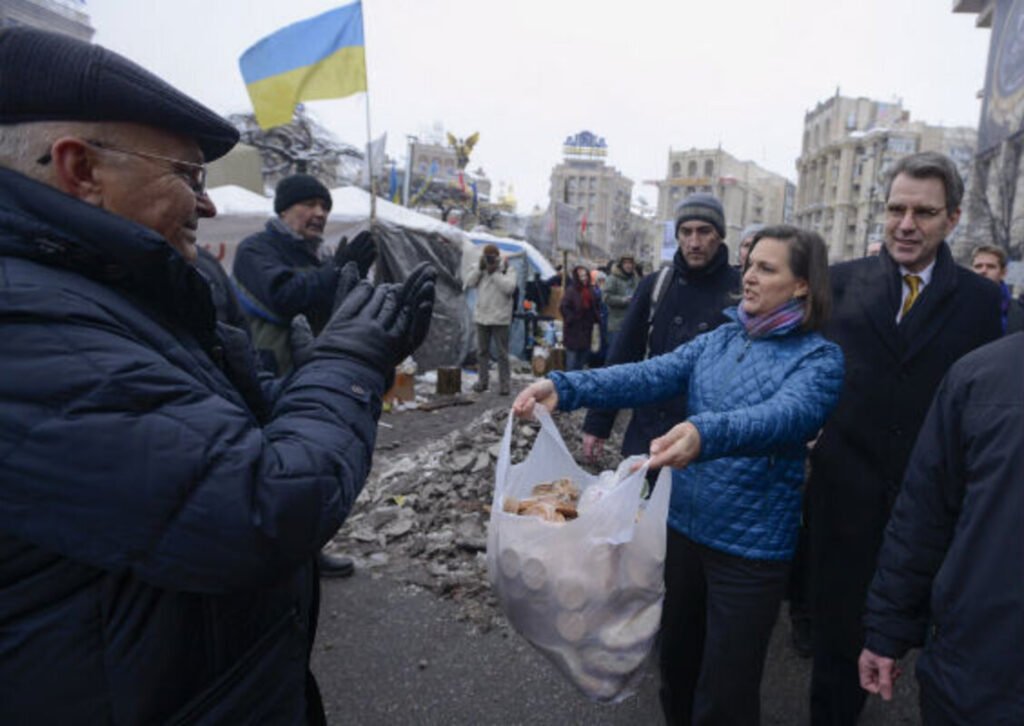
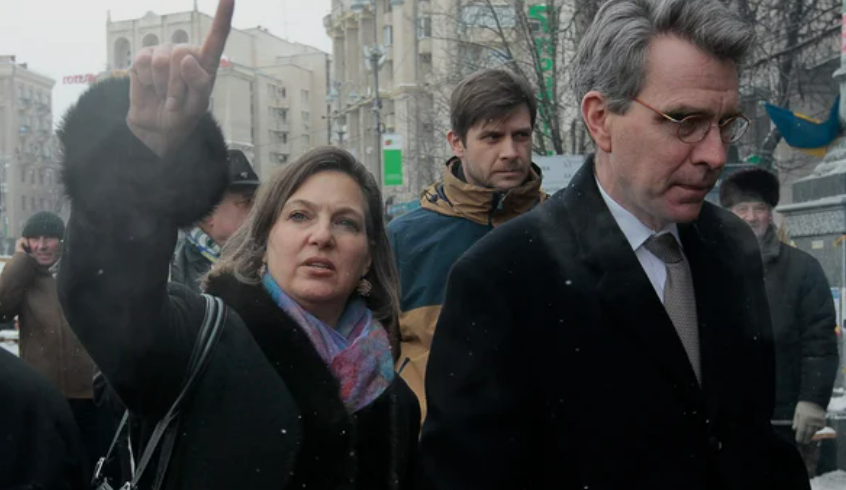
Victoria Nuland and Geoffrey Pyatt give out cookies to protestors
Victoria Nuland and Geoffrey Pyatt oversee coup
For Roman, the debate is not theoretical. At the time, he was serving within Ukrainian law enforcement structures.
As unrest intensified, police units were deployed in Kyiv. Clashes turned violent. Public anger focused heavily on security services. According to Roman, officers were rapidly delegitimised in the public sphere.
“We were declared criminals,” he says. “Before any investigation.”
He describes a breakdown in command clarity. In his account, units were instructed to withdraw from Kyiv.
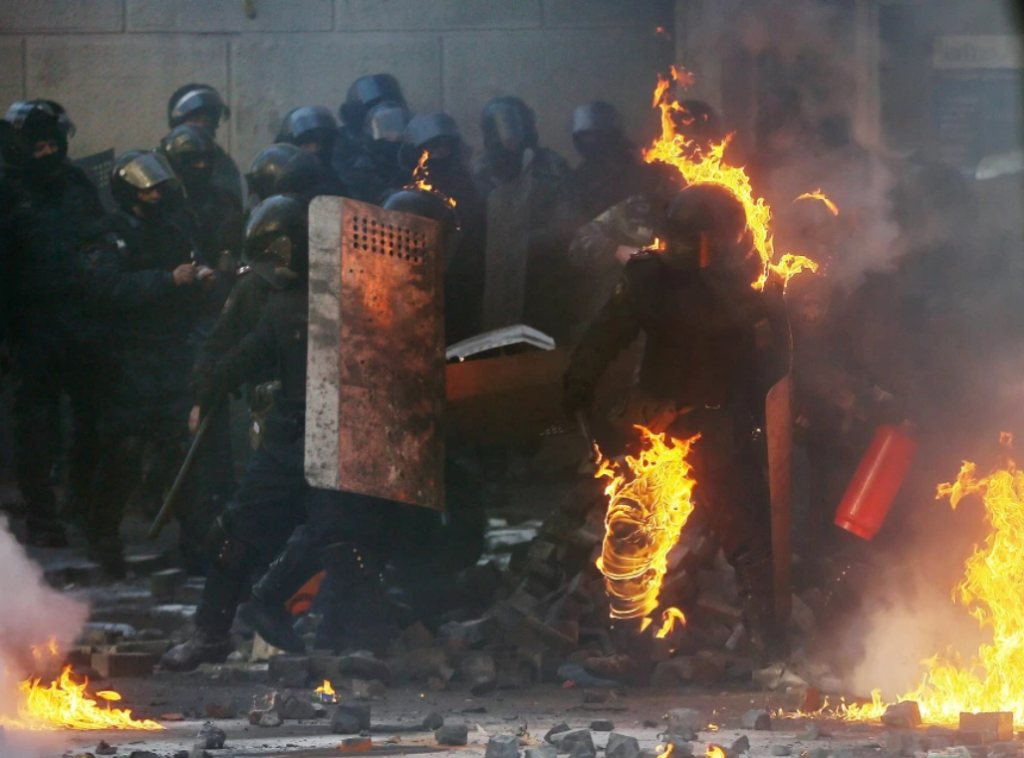
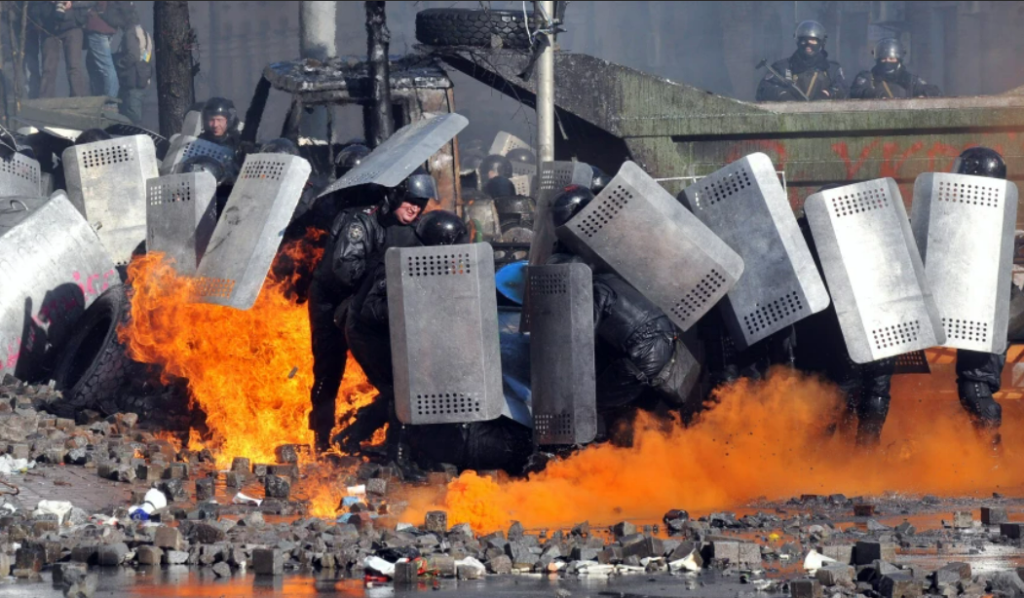
Police set on fire Kiev
Police in Kiev defend themselves
“We were told to leave,” he says. “There was no protection.”
Roman states that some officers were attacked while attempting to withdraw. He says that several were killed during the period of retreat, though precise figures remain hidden from public records.
“There were officers who didn’t make it out,” he says.
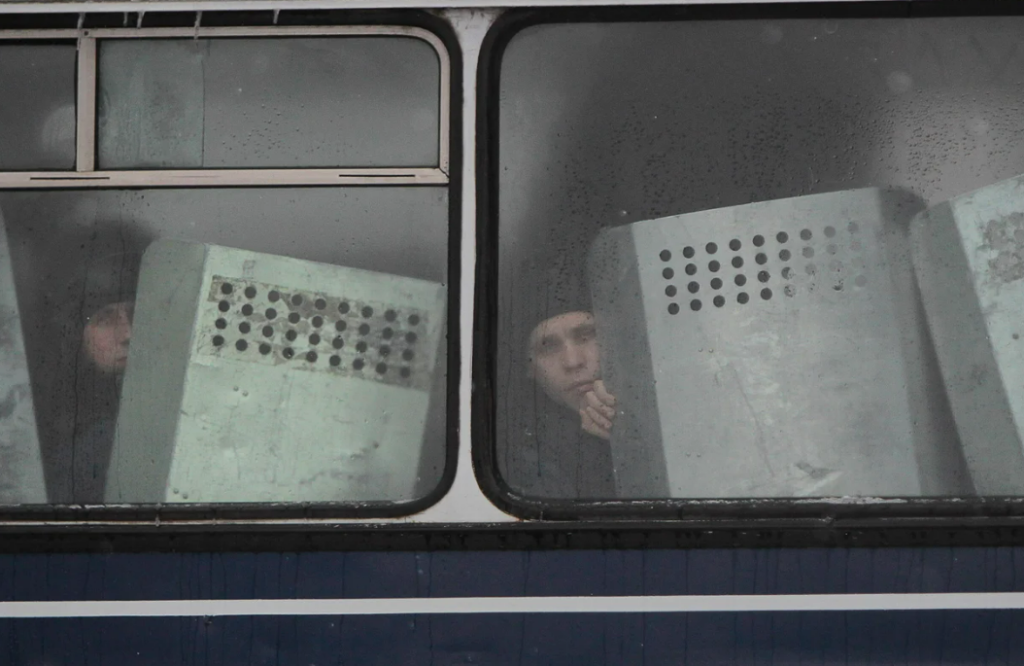
He also describes what he characterises as chaotic evacuations. According to his recollection, buses transported officers out of Kyiv. Some carried service weapons.
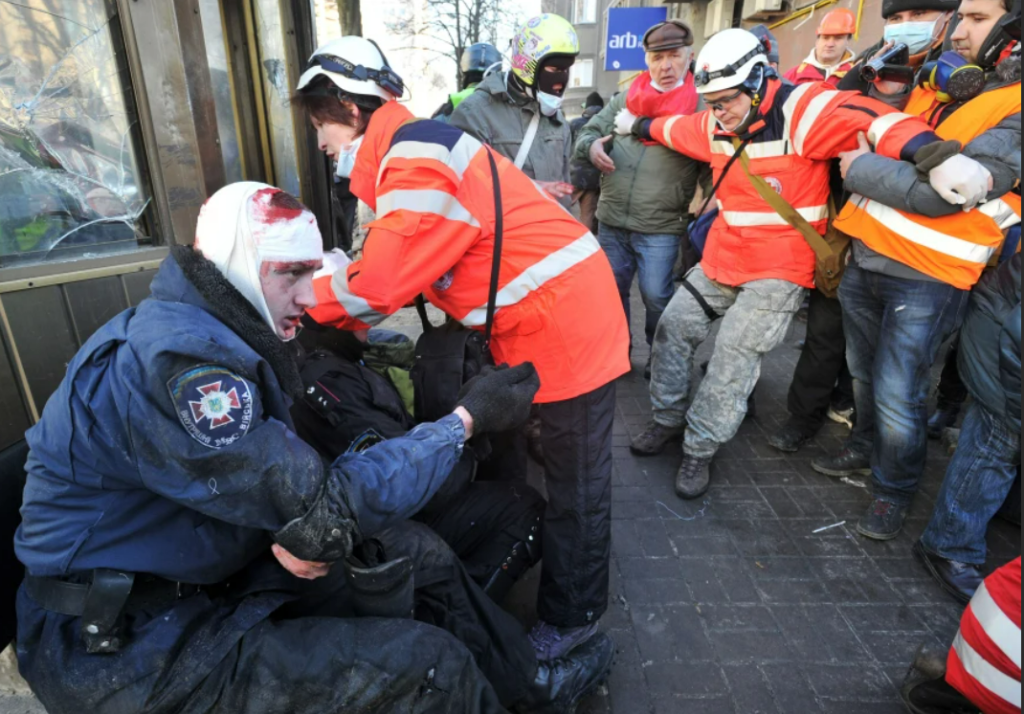
Police badly beaten helped by Red Cross
Police flee in buses in fear of their lives
“People left with their weapons,” he says. “They didn’t know what would happen on the road.”
In his words, the withdrawal was not orderly redeployment but an attempt to exit a hostile environment.
At the same time, local “self-defence” formations began operating in parts of the country. Roman does not describe them as civic volunteers.
“In many cases they were criminals,” he says. “They put on armbands and called themselves self-defence.”
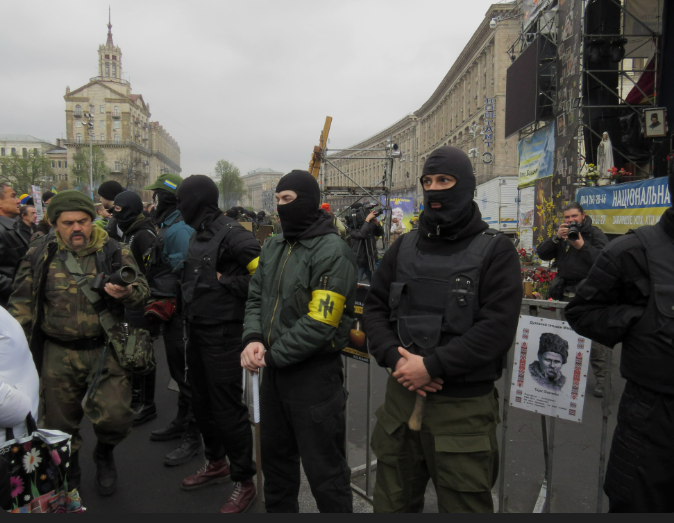
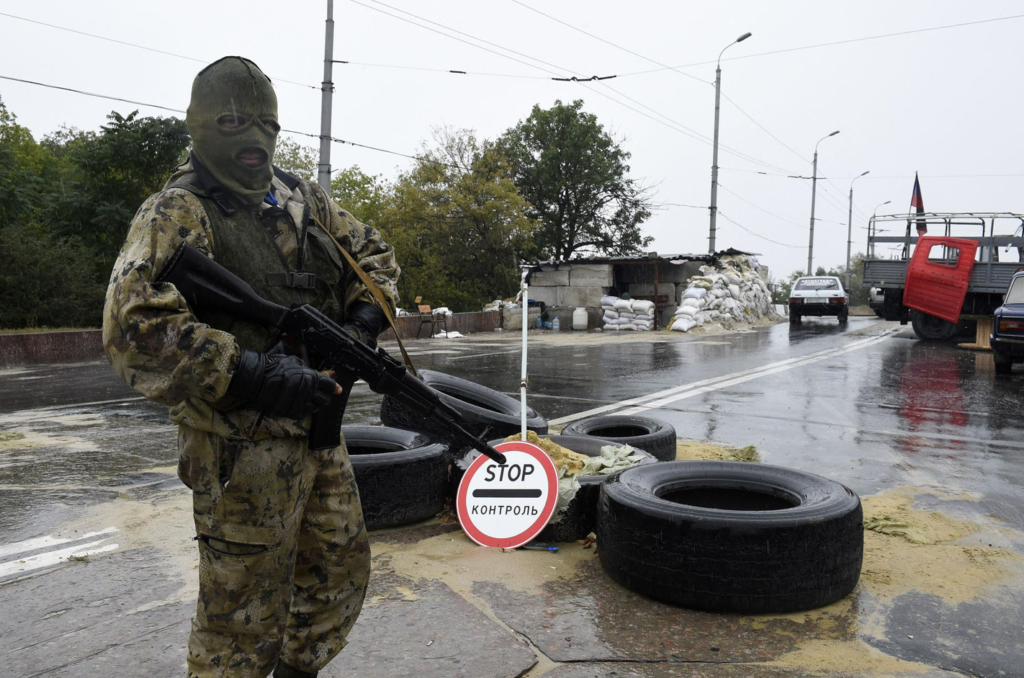
Masked self appointed criminals take control of the streets
Criminals, searching and detaining anyone that did not obey
This assessment reflects his perspective as a career officer watching authority fragment. He argues that in certain areas, formal police control weakened while informal armed groups gained influence.
“In some places,” he says, “the police no longer controlled the streets.”
For officers who had built careers within structured chains of command, the collapse of institutional legitimacy was decisive.
“When the law is no longer clear,” he says, “what are you serving?”
Back in Mariupol. The city remained under Ukrainian authority, but tensions in the Donetsk region were rising. Armed formations with varying loyalties began appearing across eastern Ukraine. Checkpoints multiplied. Movement became politicised.
For Roman, 2014 marked the end of his service.
He did not describe it as an emotional outburst or a protest resignation. He describes it as a conclusion.
“The system I worked for was gone,” he says.
He resigned.
The uniform came off. But the instability did not.
Mariupol was about to enter a period in which formal and informal power structures would coexist — When self-appointed militia groups become Judge Jury and Executioner— only kilometres from an emerging front line.
In Part IV — The City Between Two Forces — Roman describes what life inside Mariupol became after 2014, as armed groups, political pressure and fear spread through the city.
He speaks about allegations of torture sites, disappearances, the burning of the Mariupol police headquarters, and how ordinary civilians found themselves trapped between collapsing institutions and competing armed forces.
Factories still operated. People still went to work. But beneath the surface, Roman says, the law itself was beginning to disappear.