
The US and Israel’s Blatant Disregard for International Law
Two days ago, the United States and Israel carried out an operation that led to the assassination of Iran’s Supreme Leader, a brazen violation of international law that has set a dangerous precedent for state conduct. This act, which blatantly disregards the rules of sovereignty, justice, and human rights, has sparked a heated debate over the interpretation and enforcement of international law in the modern world.

What is International Law?
International law governs the conduct of states and other international actors. It encompasses treaties, conventions, and customary practices that aim to ensure peace, security, and the protection of fundamental human rights across borders. Key frameworks like the United Nations Charter prohibit the use of force except in cases of self-defense or with the approval of the UN Security Council. The International Court of Justice upholds these laws, making rulings based on fairness, justice, and the sovereignty of nations.
The recent assassination is a direct breach of these principles. International law clearly prohibits extrajudicial killings and the violation of a state’s sovereignty through unlawful military action. By targeting and murdering a political leader on foreign soil without due process, both the US and Israel have demonstrated contempt for these legal norms.
The US Kidnapping of Nicolás Maduro: A Dangerous Precedent
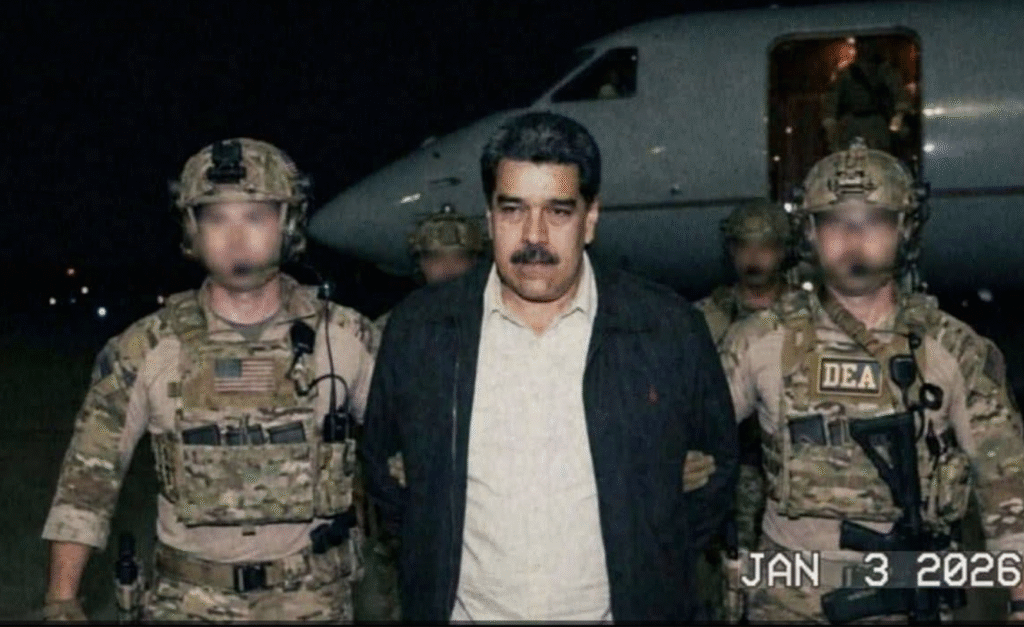
In the broader context of US actions undermining international law, the kidnapping of Venezuelan President Nicolás Maduro is another alarming example. In 2026, the United States seize Maduro, accusing him of narcotrafficking charges in a move that many viewed as a politically motivated act of aggression. This extrajudicial operation set the stage for further international law violations, with the US continuing its track record of undermining the sovereignty of foreign nations.
In my article, The US Kidnapping of Nicolás Maduro, I explored the illegal nature of this act and how it undermines both international law and diplomatic norms. The Maduro case demonstrates the growing tendency for powerful states like the US to engage in direct action against foreign leaders, a trend that has worrying implications for the stability of global governance.
Other High-Profile Assassinations: A History of Impunity
The recent murder of the Iranian leader follows a well-established pattern of extrajudicial killings by the US and Israel. One of the most notorious examples is the assassination of General Qasem Soleimani in January 2020. Soleimani, a key figure in Iran’s military hierarchy, was killed by a US drone strike in Baghdad, Iraq. The strike violated Iraq’s sovereignty and was widely condemned by international actors as a breach of both international law and diplomatic conventions.
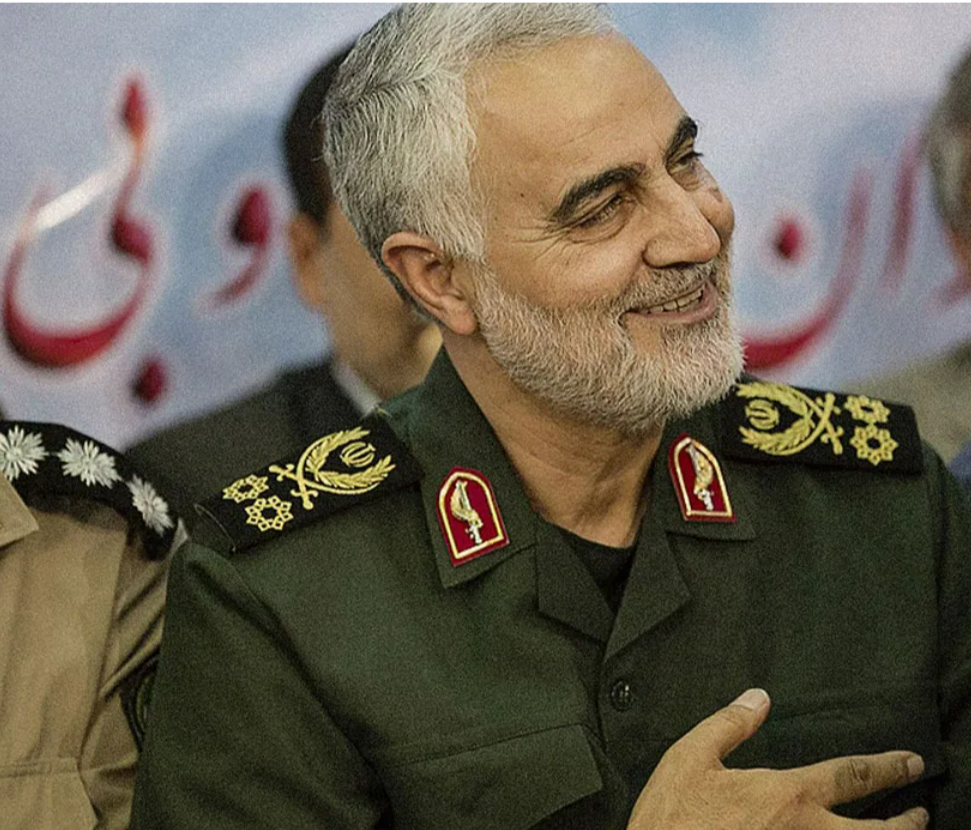
Soleimani’s death was justified by the US as a preventive measure against alleged imminent threats, yet the lack of evidence and transparency surrounding the attack raises serious questions about its legality. Many experts argue that the attack was politically motivated and a violation of international norms regarding the use of force. The attack also highlighted the growing trend of assassination being used as a tool of foreign policy, a dangerous precedent in international relations.
Israel’s Lawlessness: War Crimes and Accountability
Israel’s actions are equally concerning in the context of international law violations. The country is currently under the scrutiny of international courts, with various accusations of war crimes committed in Gaza and the West Bank. Yet, Israel’s leadership has consistently evaded accountability for these actions, largely due to its powerful allies, particularly the US. This relationship has provided Israel with a de facto immunity from the international community’s enforcement of law, further undermining the concept of international justice.
Israel’s ongoing violation of international law is compounded by its military actions against Iran, culminating in the latest attack that led to the murder of Iran’s Supreme Leader. In The Latest Israeli Attack on Iran: Hypocrisy, Timing, and Zionist Aggression, I delve deeper into how Israel has persistently ignored the global calls for accountability. The Israeli leadership, under the looming threat of arrest warrants for war crimes, continues to act with impunity, further destabilizing the region and challenging the legitimacy of international institutions designed to ensure justice and peace.
The Impact on International Law Worldwide
The continued erosion of international law due to actions taken by states like the US and Israel threatens to destabilize global governance. If powerful nations can act outside the boundaries of established legal norms without facing repercussions, it undermines the credibility of international institutions and legal frameworks. This not only sets a dangerous precedent for future conflicts but also diminishes the protection afforded to individuals and nations under international law.
The disregard for legal norms in the murder of Iran’s Supreme Leader represents a significant turning point in international relations, with profound consequences for the global order. As nations increasingly pursue their interests through extrajudicial means, the integrity of international law itself is at risk. This could lead to a world where might makes right, and where the sanctity of life and the protection of sovereign rights are no longer guaranteed.
Conclusion
The assassination of Iran’s Supreme Leader by the US and Israel is a grave violation of international law that exemplifies the growing trend of extrajudicial killings and the disregard for national sovereignty. These actions, alongside previous instances like the kidnapping of Nicolás Maduro and the murder of General Soleimani, signal a dangerous shift in global power dynamics. With Israel’s war crimes largely unchecked, and the US continuing to act as a law unto itself, international law is increasingly in danger of becoming irrelevant.
As citizens of the world, we must hold these states accountable for their actions and demand a return to the rule of law. The integrity of international law and the future of global peace depend on it.



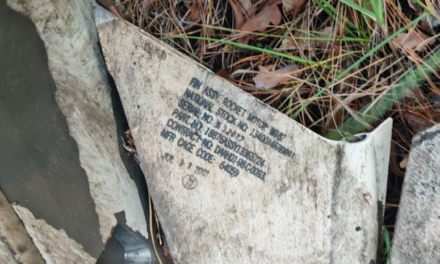


This is a dangerous precedent. If major powers like the US and Israel can act with impunity, what’s stopping other nations from doing the same? The disregard for international law here undermines any real attempts to maintain peace and security globally. We need to ask: what happens when the rule of law is no longer respected?