How Arctic Narratives Are Written Before Journalists Arrive
After spending time listening to people who actually live and work on Spitsbergen, it becomes difficult to ignore something else entirely: how predictable the outside coverage has become.
Once you start reading Western articles about the Russian presence on Svalbard side by side, a pattern emerges. The same themes recur. The same adjectives surface. The same concerns are raised, often in the same order, sometimes using remarkably similar wording.
“Strategic foothold.”
“Testing NATO.”
“Provocative symbolism.”
“Pressure point.”
“Grey-zone activity.”
Different outlets. Different bylines. Familiar language.
What is striking is not that journalists reach similar conclusions — that can happen naturally — but how rarely those conclusions are challenged by lived experience, historical context, or even basic comparison. The towns are described as if they appeared recently, motivations are implied rather than examined, and daily life is largely absent.
It often feels as though many articles are written from other articles, rather than from the ground.
This is not unique to Svalbard. It is how modern media ecosystems function, especially on foreign policy and security issues. A small number of think tanks, analysts, and official briefings establish a frame. That frame is repeated, refined, and redistributed. Over time, it hardens into “what we know.”
Original reporting becomes optional.
In the case of Svalbard, this has produced a curious imbalance. Russia’s presence is described as dynamic, assertive, and threatening — while the long record of other foreign presences on the archipelago is treated as background noise or omitted entirely.
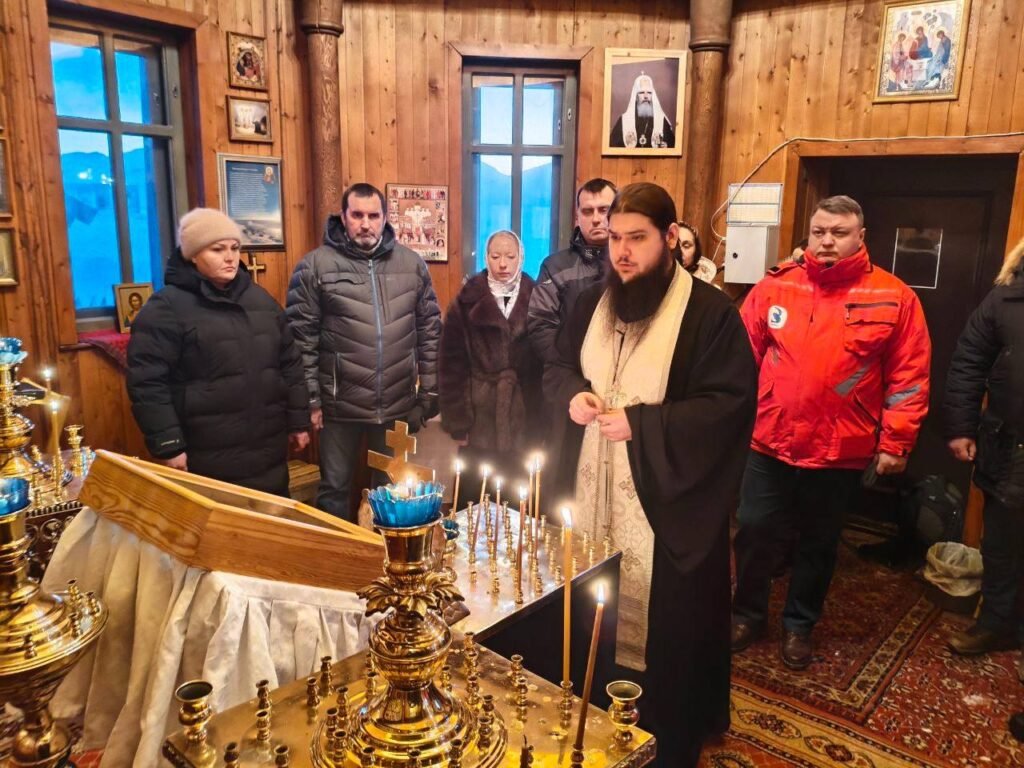
Dutch whalers once dominated these waters. British companies built and abandoned settlements. American industrialists arrived with grand ambitions and left within two decades. Norwegian towns themselves have expanded, contracted, and relocated based on economics and logistics.
None of this is controversial. It is simply history.
Yet when Russia maintains towns under the same treaty framework that allows all signatories to operate on the archipelago, the tone changes. Continuity is framed as escalation. Persistence becomes intent.
What is missing from much of the coverage is proportion.
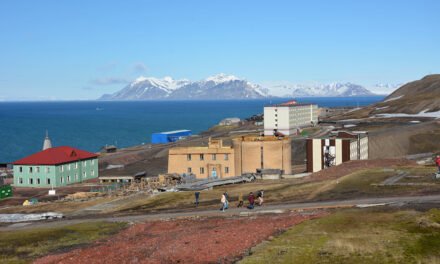
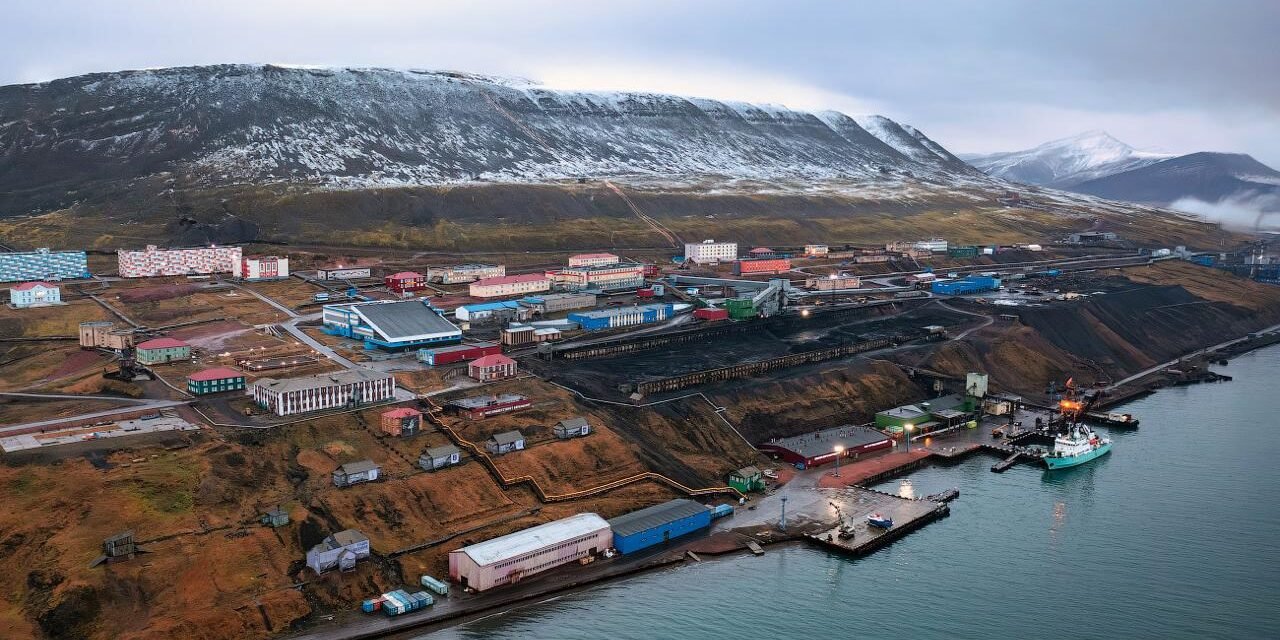
Barentsburg is small. Its population fluctuates. Its economy is limited. Its infrastructure is aging. It depends on Norwegian governance, international law, and Arctic logistics. None of this fits comfortably with the language of dominance or takeover.
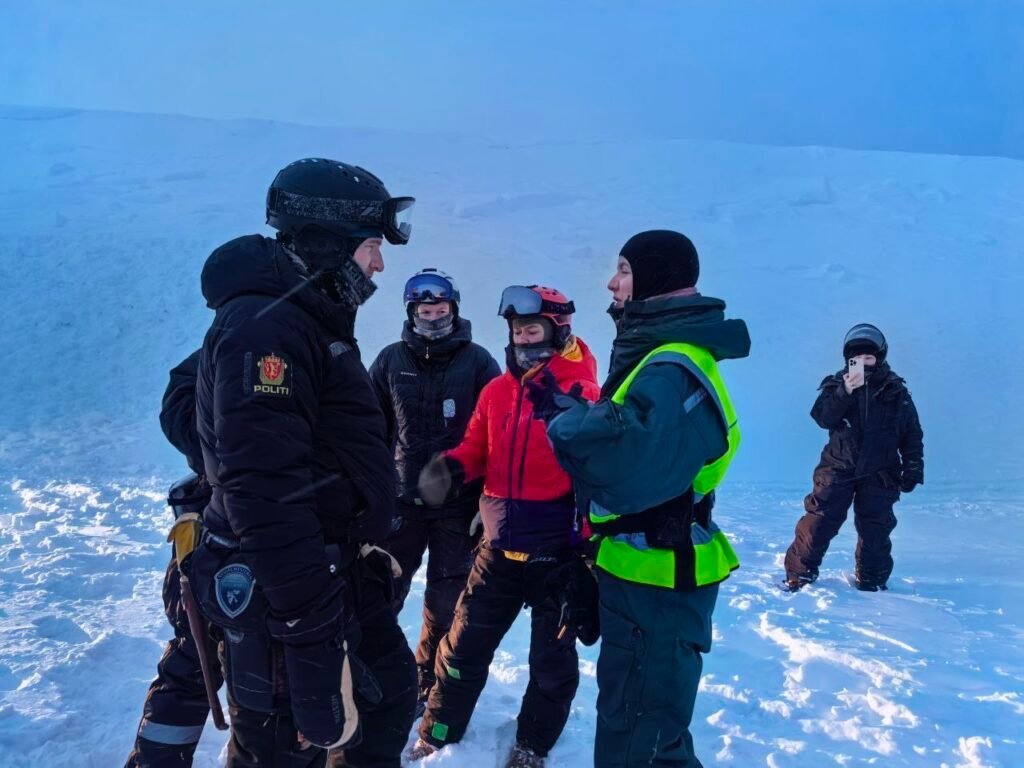
Equally absent is the human dimension. The miners from the Donbass who came seeking stability. The families navigating polar night. The workers whose primary concern is whether supplies arrive before winter closes in. These details rarely survive the editing process.
They complicate the story.
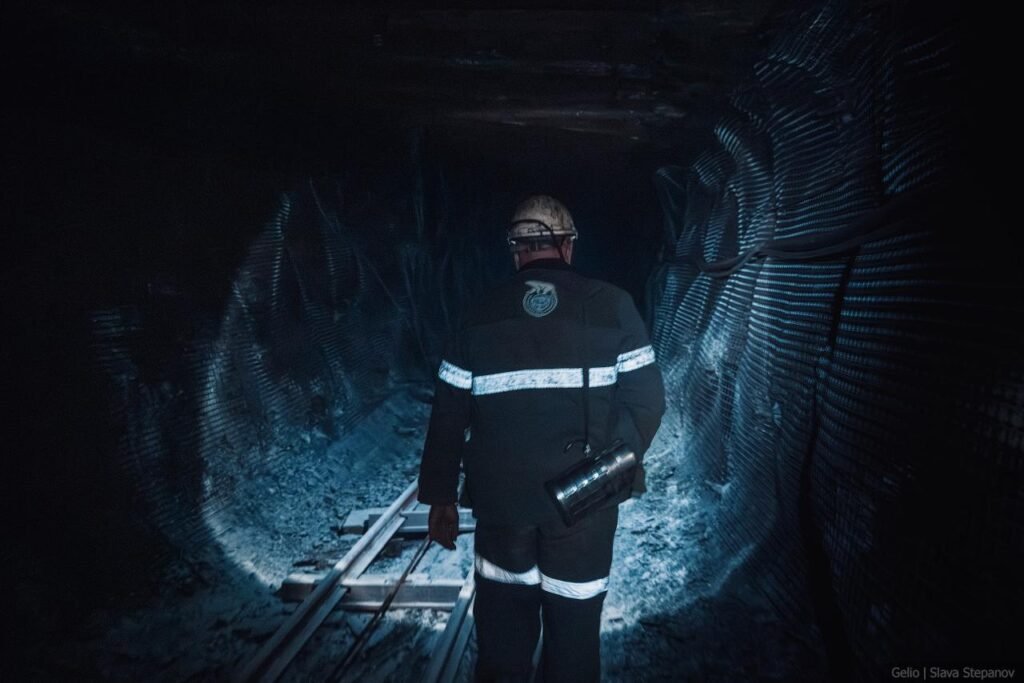
Journalists, like everyone else, work under pressure. Deadlines are tight. Travel is expensive. Editors want clarity, not ambiguity. And in a geopolitical climate shaped by the war in Ukraine, Russia is often written about through a single, narrowing lens.
That lens does not leave much room for nuance.
This does not mean criticism of Russia is invalid. It means repetition should not replace investigation. When articles begin to resemble one another too closely, it becomes worth asking whether the story is being discovered — or inherited.
There is another factor quietly shaping coverage: anticipation.
The Arctic is increasingly framed as the next arena of confrontation. Future shipping routes. Future resource competition. Future military relevance. Much of what is written about Svalbard is less about what is happening now, and more about what might happen later.
Speculation fills the gaps.
In this environment, even ordinary activity can be recast as symbolic. A flag becomes a signal. A renovation becomes a foothold. A commemoration becomes provocation. Context is flattened. Intent is assumed.
Listening to Daria describe daily life in Barentsburg makes this contrast impossible to ignore. Her account is not defensive. It is not ideological. It is practical. Almost mundane.
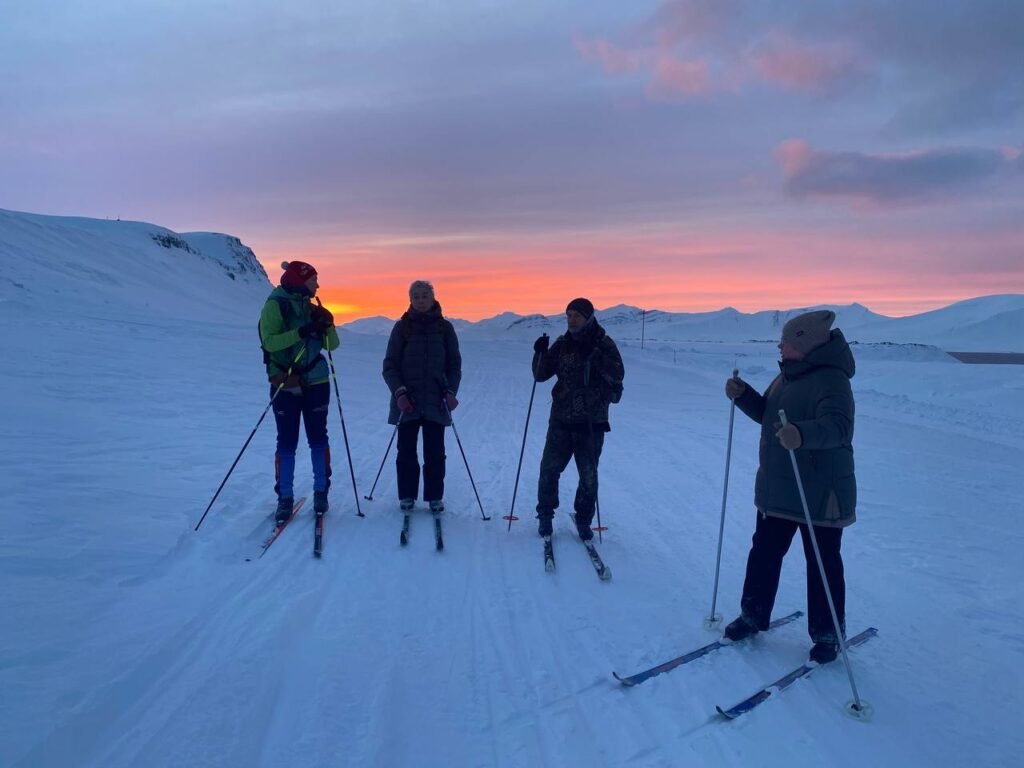
That mundanity sits awkwardly beside the urgency of the headlines.
Which raises a deeper question — one that will shape the rest of this series.
If Russia’s presence on Svalbard has been continuous, treaty-bound, and largely unchanged for decades, why does it now demand such heightened attention? And why are other developments in the Arctic — including far more explicit strategic ambitions elsewhere — often treated as secondary?
The answer may say less about Spitsbergen itself, and more about how narratives are constructed, repeated, and reinforced long before most readers ever look at a map.
In the next article, I want to widen the lens further — beyond Svalbard — and examine how Arctic anxiety is shifting south and west, particularly as new proposals and ambitions emerge around Greenland.
Because sometimes, what is left out of the story matters just as much as what is repeated.