US Strategy under Trump
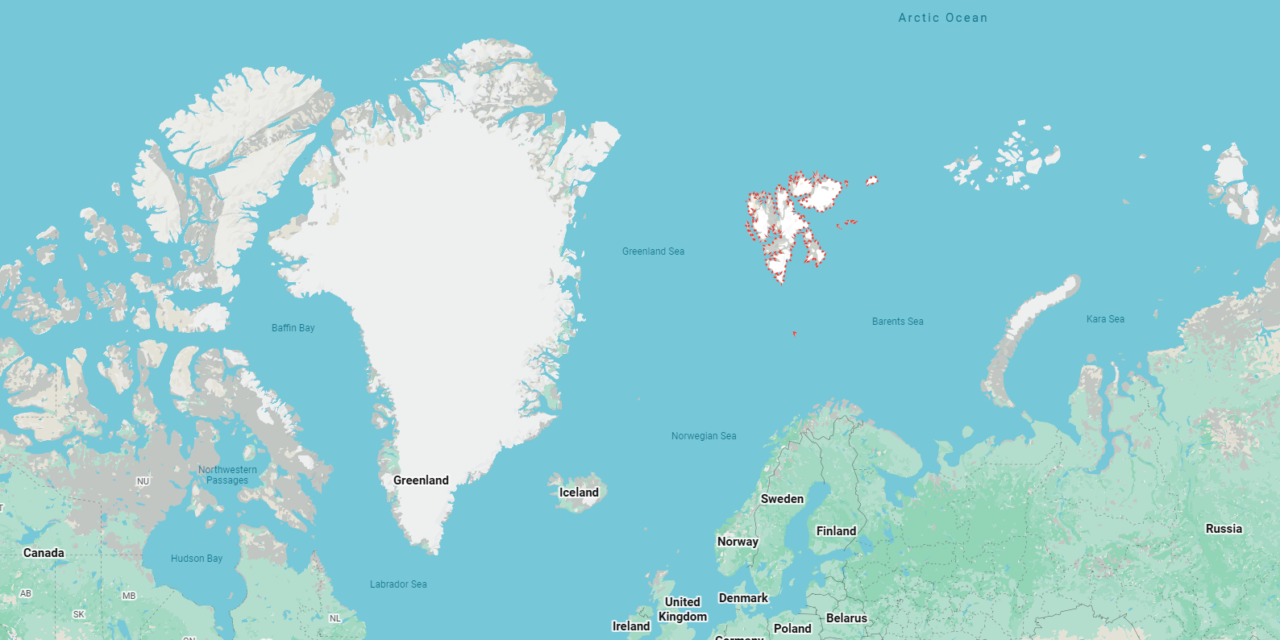
When people talk about the Arctic today, two stories often run in parallel: one about Spitsbergen — where Russia has maintained a long-standing, civilian, treaty-based presence — and another about Greenland, an autonomous territory of Denmark that is attracting renewed and highly visible interest from the United States.
At first glance, the contrast might seem purely geographic. But beneath that lies a deeper question about how similar Arctic developments are narrated in Western discourse — and what that reveals about geopolitical framing.
A New Focus on Greenland
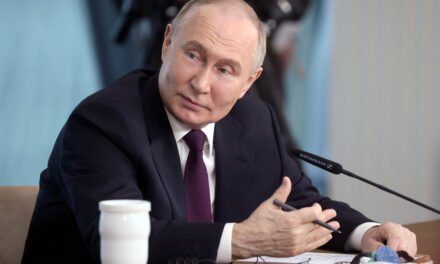
Greenland is not a frozen backwater. It is strategically located, resource-rich, and increasingly salient as global interest in the Arctic grows. In recent months, U.S. President Donald Trump has repeatedly stated that the United States needs Greenland for “national security,” arguing that it should be part of the U.S. sphere of control and not left vulnerable to Russia or China.
This rhetoric evolved from earlier proposals about purchasing the island to statements that the United States might seek control of Greenland even if Greenlanders and Denmark refuse. At one point, Trump refused to rule out using military force to acquire it.
The American push has included:
- Diplomatic pressure on Denmark and NATO allies
- Threats of tariffs targeting European allies resisting the plan
- Efforts to rewrite existing defence agreements to expand U.S. military access to Greenland
- Tacit suggestions that control of Greenland is essential to broader Arctic strategy
These moves have triggered significant pushback. The Prime Minister of Greenland, Jens-Frederik Nielsen, has warned that continued U.S. pressure is “completely unacceptable,” emphasising that decisions about Greenland’s future should be made by Greenlanders themselves.
What Greenlanders Themselves Want
Recent polling shows that a large majority of Greenlanders — roughly three-quarters — oppose becoming part of the United States, preferring to retain their current relationship with Denmark and NATO while exploring potential independence later.
This point is critical. Greenland’s government and people have repeatedly said they do not want to be sold or ceded. Denmark’s leadership likewise insists Greenland is not for sale and should remain under Danish sovereignty within NATO.
Yet, Western media framing often produces headlines that treat the American interest in Greenland as defensive or strategically necessary, even when tied to language about acquisition and control.
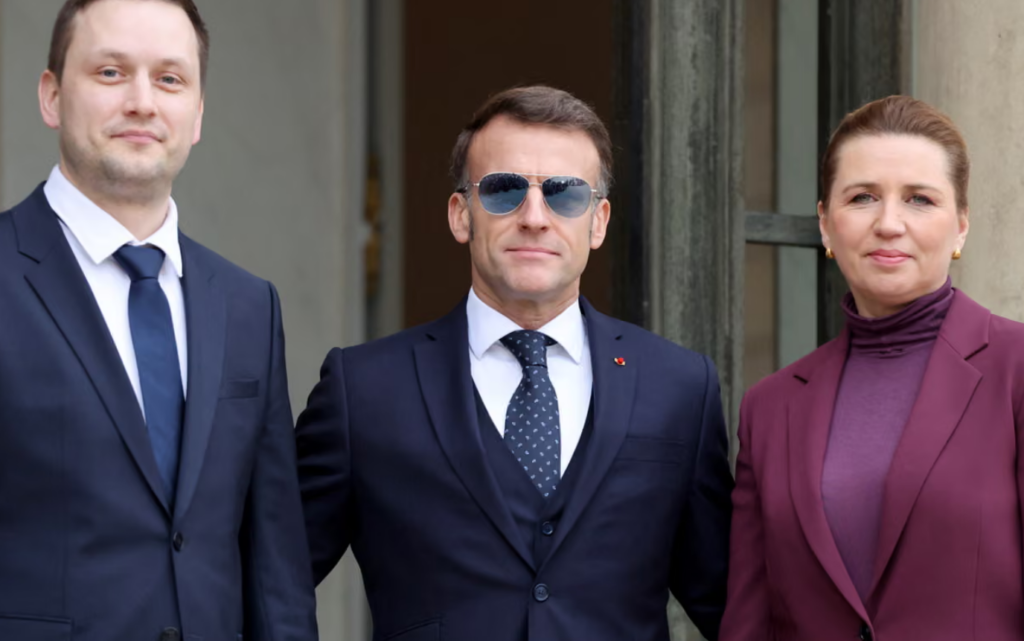
Jens-Frederik Nielsen, left, in Paris with France’s president, Emmanuel Macron, centre, and Denmark’s prime minister, Mette Frederiksen
Contrasting Narratives: Greenland vs. Spitsbergen
Now compare this with how some Western narratives describe Russia’s long-standing presence on Spitsbergen.
In numerous reports about Spitsbergen, phrases like “assertive,” “pressure point,” or “Grey Zone action” surface repeatedly, suggesting that Moscow’s civilian, treaty-protected presence is something new or threatening. This framing is often echoed across outlets in very similar language, as if stories were circulated and repackaged within the media ecosystem rather than built on fresh engagement with people on the ground. (We covered this pattern in the previous article.)
At the same time, Western commentary on Greenland often frames U.S. ambitions less as territorial acquisition and more as pre-emptive defence against Russian and Chinese influence, or as purely logistical and military necessity.
But if we hold to consistent criteria — historical presence, local sentiment, legal frameworks, and the rule of international law — the two cases look more similar than they are often portrayed.
Is the Arctic Becoming a Narrative Battleground?
There is a broader context here. As the Arctic melts and new sea routes, resources, and geopolitical interests emerge, the region has rapidly become part of what some analysts call a global strategic theatre. Every state involved has narratives supporting its interests, and media framing plays a central role in shaping those narratives for distant audiences.
In some coverage, Russian presence is made to look new and controversial, despite Spitsbergen’s long history of multinational settlement and legally protected civilian life. By contrast, U.S. interest in expanding control or influence over Greenland is often framed as necessary, inevitable, or normative — even when actual Greenlandic opinion and international law strongly counter those framings.
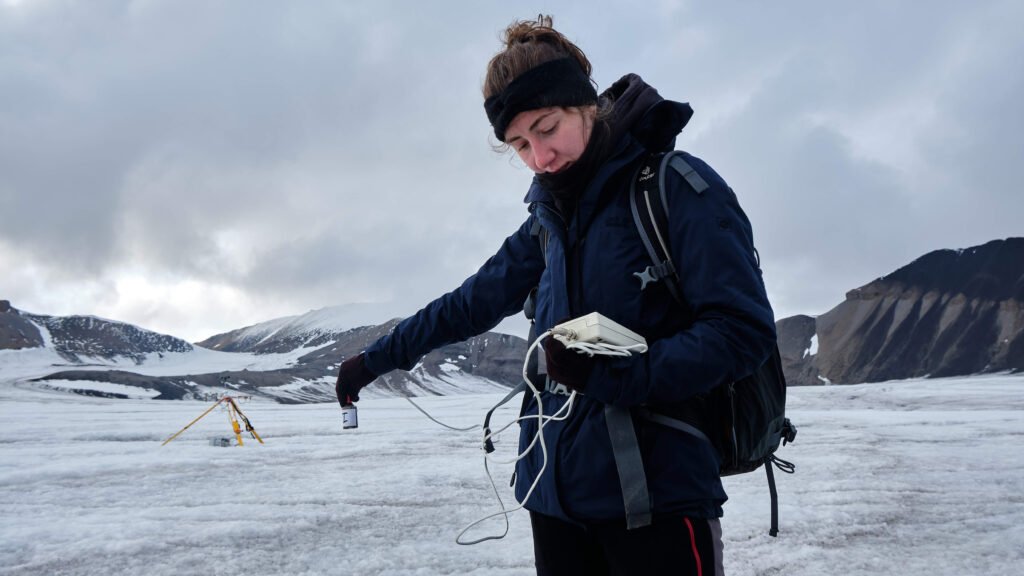
Russian Scientist studies environment on Spitzbergen
One recent review of international norms suggests that forcing changes to territorial sovereignty — especially against local wishes — would weaken not only U.S. security interests but also those of NATO, and could harm the very structures Western nations claim they want to defend.
What Happens Next
Greenland remains part of Denmark and NATO. Denmark and several European states have affirmed that defence of the territory should occur within NATO, not through unilateral takeover.
But the fact that such discussions are now mainstream — even reaching the stage of tariff threats and comparisons to military action — suggests something about how international narratives are shaped.
If Spitsbergen’s Russian civilian community is repeatedly cast as problematic because of geopolitical tension, while moves to change Greenland’s political status are framed as strategic necessity, then readers are warranted in asking:
- Are similar activities judged by different standards based on who is acting?
- Are local voices and legal frameworks being sidelined in favour of big strategic narratives?
- And if so, what does that say about Western media coverage itself?
These questions won’t be answered here in their entirety — but they deserve to be asked clearly, and from the perspective of those who live in the Arctic, not just from distant press rooms.
In our final part, part 6 we look at the future of Barentsburg and the island as a whole, What will Russia do there? Who will come who will leave?
Stay Connected with ILONnews
Independent journalism depends on readers like you. If you want updates when new articles are published:
📢 Join our Telegram News Channel:
https://t.me/ILONWorldnews
🐦 Follow us on X for daily analysis and discussion.
Thank you for supporting independent report