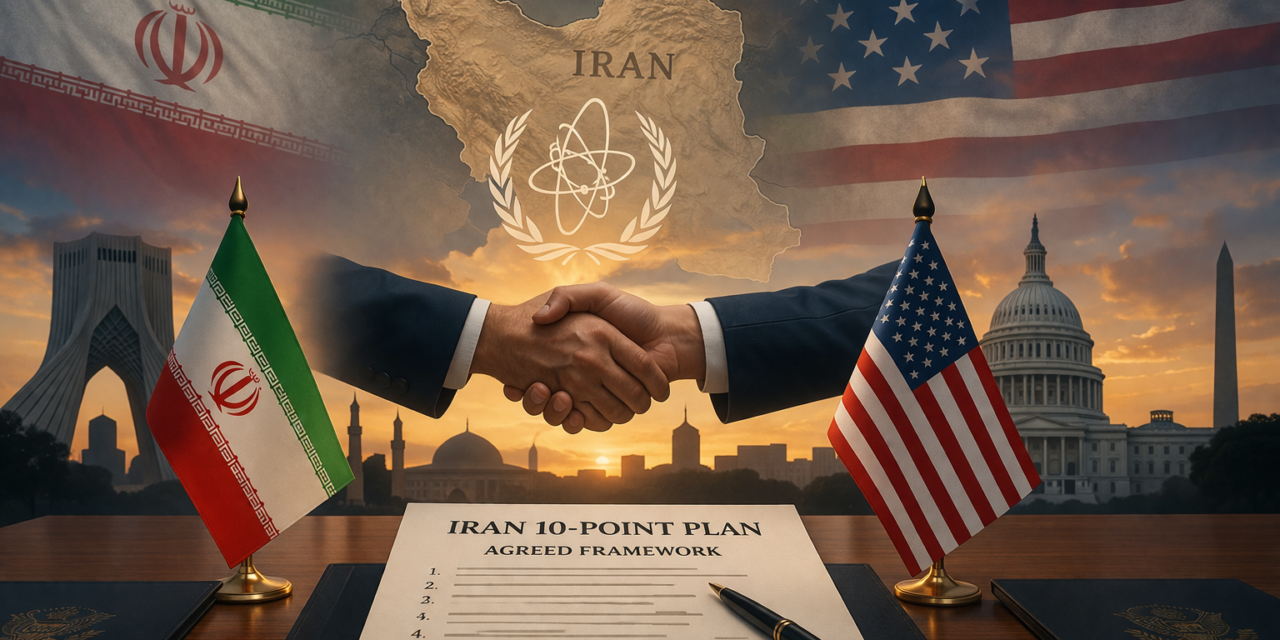
In the early hours of 8 April 2026, Tehran’s Supreme National Security Council announced a 10‑point diplomatic framework that it says should form the basis for a comprehensive peace agreement with the United States. According to state media, this plan includes:
- A U.S. promise to stop all acts of aggression;
- Continued Iranian control over the Strait of Hormuz;
- Recognition of Iran’s right to uranium **enrichment;
- Lifting all primary U.S. sanctions;
- Lifting all secondary sanctions;
- Ending all UN Security Council resolutions against Iran;
- Ending all IAEA Board of Governors resolutions;
- Payment of compensation for wartime losses;
- Withdrawal of U.S. combat forces from the region;
- Cessation of hostilities on all fronts, including in Lebanon.
Iran also said safe passage through the Strait of Hormuz would be ensured in coordination with its armed forces during negotiations.
U.S. President Donald Trump announced a two‑week suspension of military strikes on Iran, describing Tehran’s 10‑point submission as a “workable basis on which to negotiate” and saying the ceasefire marked U.S. objectives achieved so far.
However, U.S. officials have not acknowledged unconditional acceptance of all 10 points as final policy. Instead, statements describe the proposal as a framework for talks in the Pakistani capital of Islamabad.
But Does the U.S. Actually Agree?
There is ongoing confusion and disagreement among analysts and commentators on what “agreement” means here:
- Some official U.S. messaging calls Iran’s plan “workable” and a starting point.
- Others point out Washington has not committed to every demand — notably on sanctions relief and U.S. military presence.
This ambiguity mirrors past U.S.–Iran negotiations, where “frameworks” have often been treated as diplomatic gestures rather than concrete policy changes.
Historical Context: Past U.S.–Iran Negotiations
To understand how this might play out, it’s useful to look at how previous U.S.–Iran diplomatic efforts unfolded:
1. The JCPOA Nuclear Deal (2015–2018)
Under President Obama, the U.S. and Iran agreed to the Joint Comprehensive Plan of Action (JCPOA), which limited Iran’s nuclear program in exchange for phased sanctions relief. But:
- Iran eventually resumed parts of its enrichment program after the U.S. withdrew unilaterally in 2018 under President Trump;
- Deep distrust and later military escalations meant the deal never stabilized into lasting peace.
This pattern of negotiation followed by either U.S. withdrawal or breakdown under pressure has shaped Iranian skepticism toward new agreements.
Lesson: Agreements can be fragile when domestic political shifts lead to abrupt policy reversals.
2. The 2025 Pre‑War Talks
In early 2025, the two sides engaged in Omani‑mediated nuclear talks that appeared initially promising, but derailed as disagreements widened. U.S. envoys reportedly felt Iran was not making sufficient concessions, and Tehran perceived U.S. negotiations as poorly prepared.
Lesson: Even detailed technical negotiations disintegrate if political trust collapses or military action resumes.
3. Long‑Term U.S. Diplomacy Patterns
U.S. foreign policy history shows that frameworks without enforcement mechanisms or mutual security guarantees are vulnerable to collapse — a reality seen in many Cold War and Middle East negotiations.
This longer context informs why both Washington and Tehran speak of “workable bases” rather than signed deals, seeking wiggle room and political cover.
Scenarios Going Forward
Based on historical patterns and the current situation, here are four possible paths this negotiation could take:
📍 Scenario 1: Fragile Ceasefire, Big Watered‑Down Deal
The two‑week ceasefire holds, and negotiators agree on minor concessions, such as:
- Partial lifting of some sanctions;
- A formal mechanism for passage through the Strait of Hormuz;
- A timetable for incremental U.S. forces withdrawal.
Iran retains some leverage, but the deal avoids fulfilling the most contentious demands — leaving deeper issues unresolved.
This mirrors how the JCPOA began as a limited agreement before falling apart.
📍 Scenario 2: Temporary Pause, Return to Conflict
The ceasefire holds only briefly and breaks down into renewed hostilities, due to:
- Domestic pressure on either side;
- Violations by third parties (e.g., allied militias);
- Misunderstandings over the conditions.
This would echo previous short‑lived truces in Iran’s history of conflict diplomacy.
📍 Scenario 3: Major Diplomatic Breakthrough
Negotiators find more common ground than expected. Concessions might include:
- A revised security guarantee for Iran;
- A “phased sanctions lift” tied to nuclear transparency;
- Third‑party security oversight (e.g., UN or neutral state monitors).
Such breakthroughs historically require mutual trust and external guarantees, which are rare but not impossible.
📍 Scenario 4: Long Negotiations Without Resolution
Both sides use the ceasefire to continue prolonged diplomacy without delivering a final peace deal. The conflict remains frozen and could resurface later, much like the long standoffs after Beirut and Gulf crises in prior decades.
Why It Matters
This diplomatic episode — anchored around the Iranian 10‑point plan and a U.S. “workable basis” — reflects a broader pattern in U.S.–Iran relations: tentative negotiation, mutual distrust, and strategic positioning rather than rapid peace. The world is watching not just for a ceasefire but for whether this becomes a durable peace or another historic dead end.


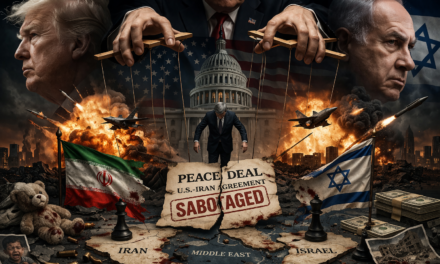

You can not trust the US. They bombed Iran last year while in talks, and again this time. You can not talk to a bully